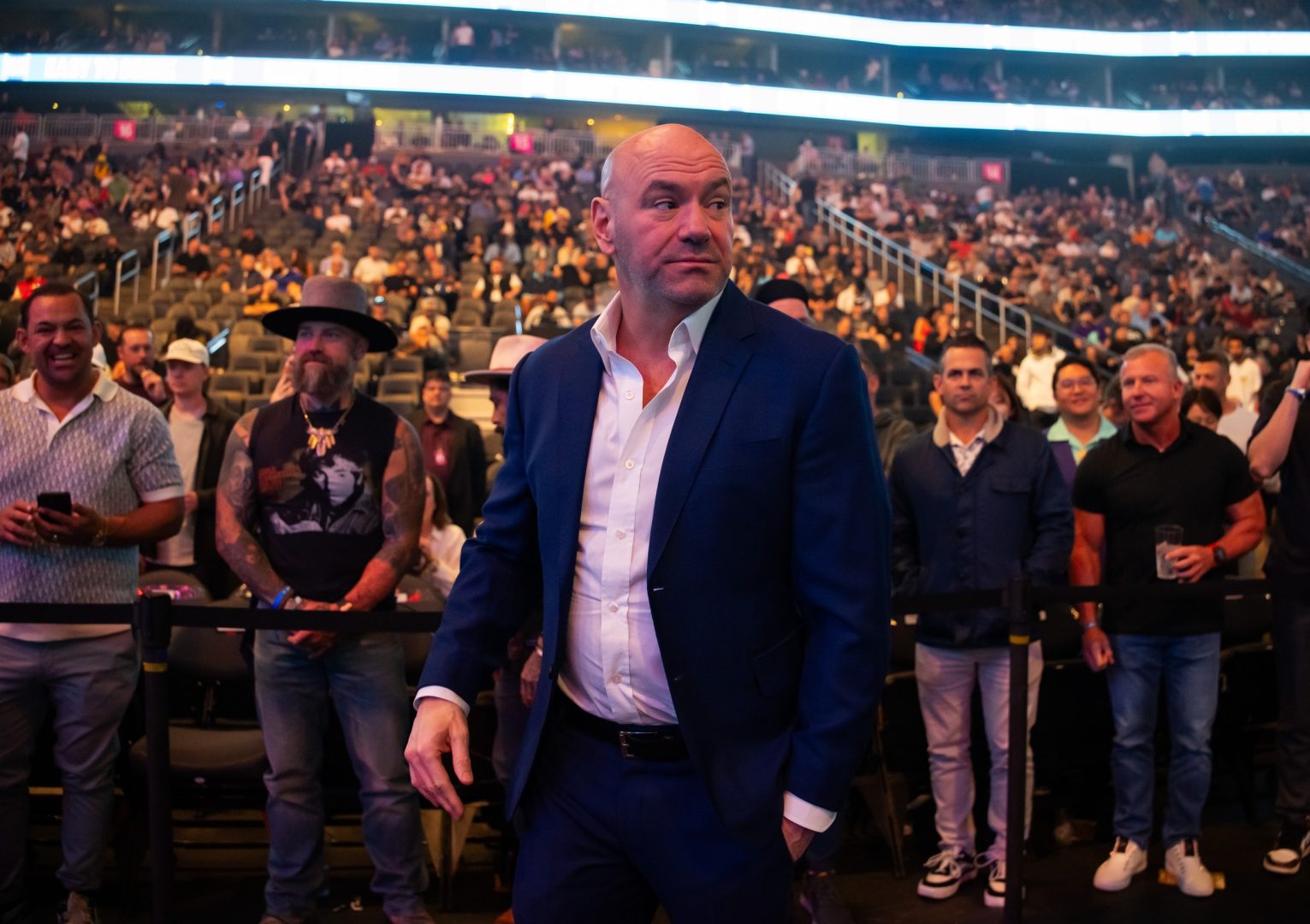
For decades, boxing has been a fragmented sport divided by sanctioning bodies, rival promoters, and complicated negotiations that often prevent the biggest fights from happening. Now, a new player has entered the arena, and the old guard is paying attention.
With the launch of Zuffa Boxing, led by UFC CEO Dana White and backed financially by Saudi Arabia’s entertainment powerhouse through Turki Alalshikh, the traditional boxing structure may finally be facing its biggest disruption in modern history. And judging by the reactions from longtime promoters, that disruption has many in the sport nervous.
A UFC Model Comes to Boxing
White has never been shy about his opinions on boxing. For years, he criticized the sport’s structure particularly the competing sanctioning bodies and promotional politics that prevent elite fighters from facing each other. Now he has the opportunity to build boxing differently. Under the Zuffa Boxing concept, the goal is to apply a model similar to the UFC:
For a sport long criticized for its lack of structure, that model represents a potential revolution.
And it’s one reason many established promoters are watching closely.
The Saudi Factor Changes Everything
The financial backing behind Zuffa Boxing is a major reason the project carries real weight. Through Saudi Arabia’s growing involvement in global combat sports, massive purses are now available for marquee events. Fighters can earn paydays that many traditional promoters simply cannot match.
That reality has already shifted the balance of power in the sport. Recent blockbuster events including super fights featuring fighters like Canelo Alvarez and Terence Crawford demonstrated how quickly the financial landscape can change when global investment enters the picture. With Zuffa Boxing acting as the organizing force behind those events, the promotion has already proven it can deliver the type of fights fans have long demanded.
Fighters Are Paying Attention
Perhaps the biggest threat to the traditional boxing system is how fighters themselves are reacting. Athletes across combat sports increasingly want:
When fighters see massive paydays tied to new promotions and streaming platforms, loyalty to traditional promotional deals can quickly disappear. The recent signing of rising British star Conor Benn to a one-fight deal with Zuffa Boxing illustrated that shift. Benn left longtime promoter Eddie Hearn and Matchroom Boxing in a move that sent shockwaves through the industry. It also intensified a very public rivalry between White and Hearn.
Promoters Feel the Pressure
White has openly mocked the traditional boxing establishment, claiming the sport is easier to navigate than many believed once the right financial backing exists. His criticism has been particularly sharp toward legacy promoters who have long dominated boxing’s business landscape.
The tension between White and Hearn has quickly become one of the sport’s most entertaining off-ring rivalries, but beneath the insults lies a deeper truth: the power dynamics of boxing may be shifting. If Zuffa Boxing can consistently produce major fights and attract top talent, the traditional promotional model could face serious competition.
Another factor working in Zuffa Boxing’s favor is the growing role of global streaming platforms. Instead of relying on traditional pay-per-view networks, combat sports are increasingly partnering with platforms capable of reaching massive international audiences. Recent boxing events distributed through streaming have drawn tens of millions of viewers worldwide, proving the sport can thrive outside of its traditional broadcast structure. That type of reach is exactly what White and his partners are targeting as they build the promotion’s future.